
Best Beginner Turntables: A Complete Guide
Buying your first turntable is exciting, but it is also where most people make their first (and sometimes only) mistake in this hobby. The entry-level market is full of options between $50 and $250, and the difference between a good pick and a bad one is not always obvious from the box.
I have sold, set up, and repaired more entry-level turntables than I can count over the years. This guide covers everything you actually need to know before buying one, plus the brands that are actually worth your money at this level.
If you do not have time to go through all the details below, here is a quick recap of the models actually worth your money.
| Model | Price | ||
|---|---|---|---|
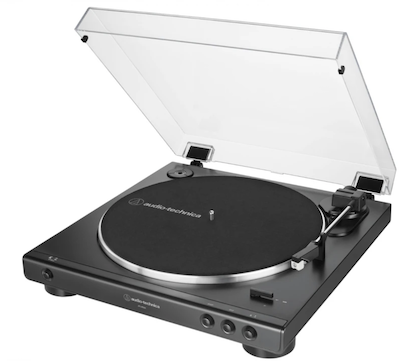 | Audio-Technica AT-LP60X | $149 | View on Amazon |
| Audio-Technica AT-LP60XBT | $149 | View on Amazon | |
| Audio-Technica AT-LP120XUSB | $349 | View on Amazon | |
| Fluance RT81 | $249 | View on Amazon | |
| Fluance RT81+ | $299 | View on Amazon | |
| 1byone High Fidelity | View on Amazon | ||
| Victrola Stream Onyx | View on Amazon |
Selection limited to models using a real moving magnet cartridge. Suitcase models with ceramic cartridges (Victrola Journey, Crosley Cruiser) are not included here: they are fine for occasional listening, but wear records down faster, as explained further down in this guide.
What “Entry-Level” Actually Means
At this price point, you are choosing between two very different philosophies:
All-in-one record players. Everything is built into a single unit: platter, tonearm, cartridge, speakers, and amplifier. You open the box, plug it in, and play a record within minutes. No separate speakers, no receiver, no setup decisions. This is the “suitcase” style most people picture when they think of a beginner turntable.
Standalone turntables. These only play the record. You still need a way to hear it, either powered speakers, a receiver with a phono input, or a Bluetooth connection to a speaker you already own. More setup, but noticeably better sound for the money, since the manufacturer is not splitting the budget between the turntable and a pair of small built-in speakers.
Neither approach is wrong. It depends on what you want. But you need to know which one you are buying, because the marketing on the box does not always make it obvious.
The One Thing That Actually Matters: The Cartridge
If you remember one thing from this guide, remember this. The cartridge is the small part at the end of the tonearm that holds the needle (the stylus). It is the only part of the turntable that physically touches your records, and it decides two things: how good your records sound, and how much wear they take every time you play them.
Entry-level turntables use one of two cartridge types:
Ceramic cartridges are cheap to make and very durable, which is why they show up in the most affordable suitcase players. The problem is tracking force, meaning how hard the needle presses into the groove. Ceramic cartridges typically need 4 to 6 grams of tracking force to track properly. That is two to three times heavier than it needs to be, and it wears down your records noticeably faster with every play. Fine for records you do not care about. Not fine for anything you want to keep.
Moving magnet cartridges are the standard on any turntable built with real listening in mind. They track at 1.5 to 2 grams, treat your records gently, and sound noticeably better across the board. This is the cartridge type you want if you plan to build a collection.
Before buying anything at this level, check the spec sheet or ask the retailer which cartridge type is used. It is the single biggest factor in whether a turntable is a good long-term choice or a fun toy you will replace within a year.
Brands to Know at This Level
Audio-Technica
The safest name in the entry-level space, and for good reason. Audio-Technica has been making turntable components for decades, including cartridges used by other brands, so the engineering behind their budget models is more mature than most competitors.
The AT-LP60X ($149) is the brand’s most popular beginner model. Fully automatic operation means the tonearm lowers and lifts on its own, so there is no risk of dropping the needle in the wrong place. It has a built-in phono preamp, so you can connect it straight to powered speakers. The cartridge is a fixed, integrated unit, meaning you cannot swap it for a different one later, but it is a real moving magnet design, not ceramic. A Bluetooth version, the AT-LP60XBT ($149), adds wireless streaming to headphones or a speaker without changing the sound quality.
The AT-LP120XUSB ($349) sits a step above pure entry-level, but it is worth knowing about because it is the natural upgrade path. It uses a standard headshell, meaning you can swap the cartridge for something better down the road, and it includes USB output for digitizing records. If you already suspect you will get serious about vinyl, this is worth the extra cost over the LP60X.
Fluance
Fluance makes some of the best-value turntables in the entry-level bracket, and it is the brand I point people to when they want to skip straight to good sound without paying audiophile prices.
The RT81 ($249) comes with a real Audio-Technica moving magnet cartridge, an aluminum platter, and a built-in preamp. It requires basic setup (attaching the cartridge, balancing the counterweight), which takes about fifteen minutes the first time, but that small effort buys noticeably better sound than anything in the suitcase category. The RT81+ ($299) adds an upgraded platter and adjustable isolation feet, which reduce vibration reaching the stylus.
Fluance turntables do not include built-in speakers. Budget for a pair of powered speakers or a receiver if you go this route.
Victrola
Victrola is one of the most searched turntable brands in the US, mostly thanks to its suitcase-style players with built-in speakers and retro styling. The brand has been around for over a century, and it knows exactly what its core audience wants: something affordable, good-looking, and ready to play out of the box.
The catch is that Victrola’s most popular suitcase models, including the Journey and Eastwood lines, use ceramic cartridges with tracking force well above what is safe for records you care about. These are a fine choice for casual, occasional listening or as a gift, but I would not recommend them to anyone planning to build a real collection.
Victrola does make better options. The Stream Onyx line moves away from the suitcase format entirely and includes real moving magnet cartridges with Sonos compatibility, aimed at a more serious listener. If you like the Victrola name but want to protect your records, look at this line instead of the suitcase models.
Crosley
Crosley occupies almost the exact same space as Victrola: affordable, retro-styled, widely available at department stores. The two brands get compared constantly, and the honest answer is that they are very similar in both strengths and weaknesses.
Crosley’s popular suitcase models, like the Cruiser Plus and CR6047A, use the same type of ceramic cartridge as Victrola’s entry models, with the same downside for record wear. Where Crosley tends to win is styling and format variety. Some models include cassette decks, radios, or Bluetooth, all in one unit, which appeals to buyers who want a nostalgic all-in-one media player rather than a dedicated listening tool.
If design and nostalgia matter more to you than protecting your records long-term, Crosley delivers that well. If sound quality and record care are the priority, look elsewhere in this list first.
1byone
A newer name in the budget space that has built a solid reputation quickly. 1byone turntables, like the High Fidelity and HiFi System models, sit in the same price range as the suitcase brands but focus more on component quality, including proper moving magnet cartridges and built-in phono preamps. They are a good option if you want real hi-fi performance without stepping up to Fluance or Audio-Technica prices.
What I Would Actually Recommend
If you want the simplest possible start with no setup and no risk to your records, the Audio-Technica AT-LP60X is the safest first purchase in this entire segment. It is fully automatic, uses a real cartridge, and costs $149.
If you are willing to spend fifteen minutes on setup in exchange for meaningfully better sound, the Fluance RT81 at $249 is the better long-term choice, especially if you already own or plan to buy powered speakers.
If you specifically want an all-in-one player with built-in speakers and do not mind a shorter lifespan for the records you play on it most, Victrola and Crosley both do that job well. Just treat any records you actually care about as off-limits for these players, and keep a separate, better turntable for your good vinyl once you are ready to upgrade.
A Quick Buying Checklist
- Check whether the cartridge is ceramic or moving magnet before anything else
- Decide if you want built-in speakers (all-in-one) or a standalone turntable paired with your own speakers
- Confirm the turntable has a built-in phono preamp if you plan to connect it to powered speakers or a regular amplifier without a phono input
- If Bluetooth matters to you, check that it does not compromise the wired sound quality (most good models let you use either)
- Budget an extra $30 to $50 for a cartridge or stylus upgrade later if you buy a model that allows it, since this is the cheapest way to improve sound on an entry-level table
Once you have played records on one of these for a few months, you will know whether vinyl is a passing interest or a real hobby. If it is the latter, the mid-range segment is where the real upgrade happens, and it is worth reading before you spend more money on another entry-level table.